Winning Strategies Begin With Poker Vocabulary
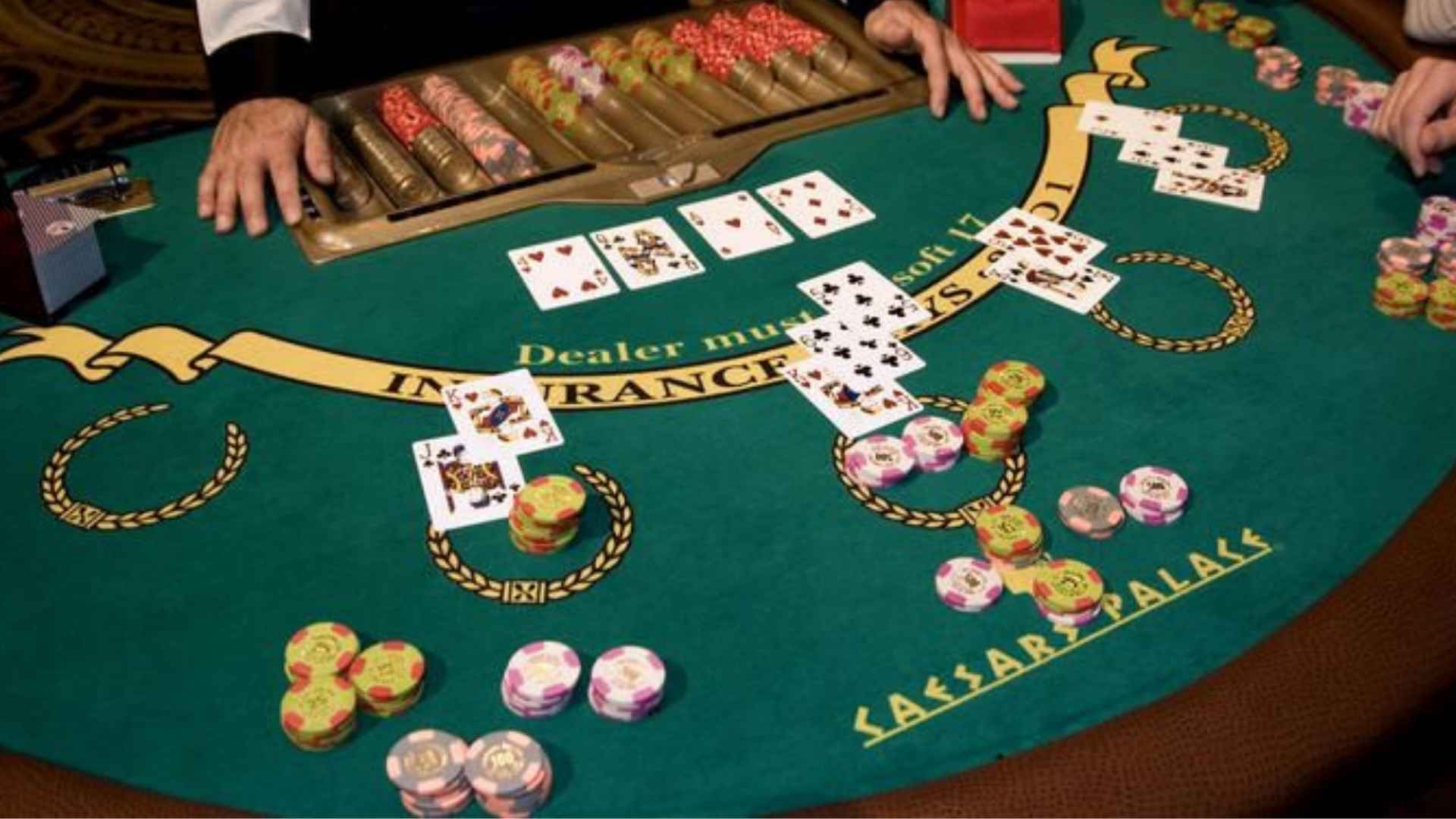
Entering the world of competitive poker can feel like stepping onto a stage where everyone else speaks a secret dialect. While tracking your card combinations is vital, mastering table terminology is what truly transforms a novice into a calculated strategist. Understanding these specialized phrases allows you to decrypt opponent behavior, maintain emotional stability, and execute tactics with ultimate confidence.
Deciphering Key Table Actions
Every successful poker journey relies on fluid communication and an accurate interpretation of betting movements. When an opponent decides to check, they are passing the action without risking chips, which often hints at a cautious approach or a hidden trap. Recognizing when to raise rather than simply match a previous bet helps you take control of the pot and dictate the pace of the game.
Conversely, choosing to fold is an equally essential skill that prevents unnecessary resource depletion when the odds are stacked against you. Knowing when to step away from a weak hand separates impulsive players from disciplined long-term winners. Developing this basic vocabulary creates a mental framework that supports every tactical choice you make moving forward.
The Hidden Math of Forced Bets
Before any cards are dealt, the structure of the game relies on mandatory wagers designed to stimulate active competition. These forced contributions, known as blinds, create immediate value in the pot and prevent participants from simply waiting for perfect cards. Understanding how table positions rotate around these blinds is crucial for timing your aggression and defending your stack.
As you gain experience, learning how to manipulate the size of the pot based on your relative position becomes a cornerstone of advanced gameplay. Players often use specialized training tools or interactive software like a game stick m88 device to study how betting patterns adjust across different table configurations. Mastering these structural nuances ensures you are never caught off guard during fast-paced shifts in momentum.
Psychology and Managing Variance
Beyond the fundamental mechanics, the true language of poker describes the psychological battles occurring during every single round. A bluff is a deceptive maneuver where a player represents a strong hand with weak cards to force a superior opponent out of the game. Spotting the subtle physical or mathematical tells behind these moves requires a deep conceptual understanding of table dynamics.
Even with excellent preparation, the game introduces unpredictable elements that test your emotional resilience. Experiencing a bad beat, where a mathematically favored hand loses on the final card, is a natural part of the competitive landscape. By framing these sudden losses through the proper terminology, you can process variance logically and maintain focus for future sessions.