Multiplayer Games with Unique Multiplayer Features
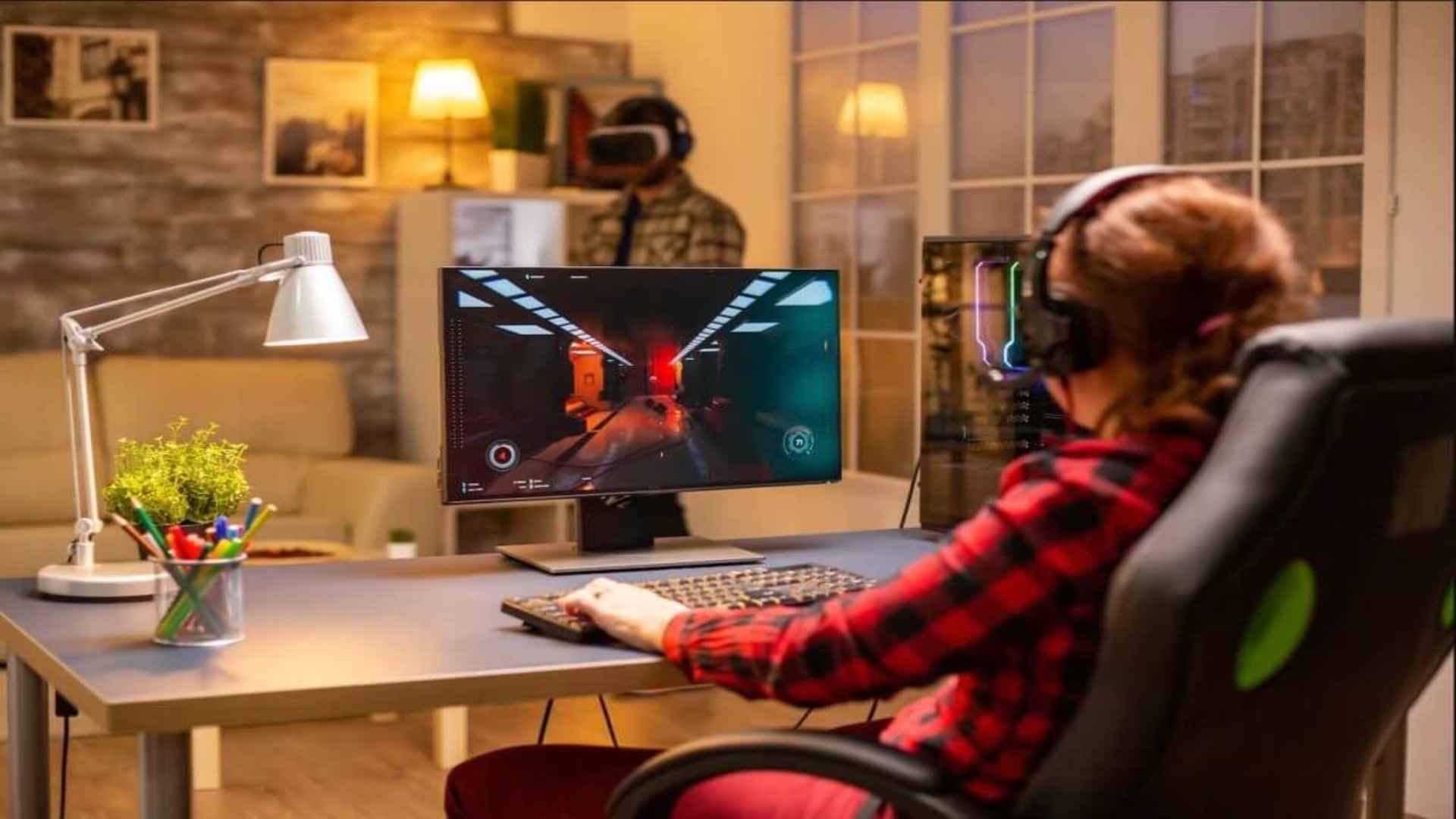
The modern multiplayer gaming landscape has shifted dramatically from traditional competitive arenas to environments that offer innovative ways to interact. As developers look for fresh ways to engage communities, they are introducing design mechanics that redefine how individuals play together. These breakthrough systems emphasize collaborative problem-solving, creative agency, and asymmetric interactions that challenge conventional gameplay loops.
The Evolution of Asymmetric Systems
Asymmetric design mechanics have altered how teams communicate by giving players completely different roles and abilities within the same match. One participant might manage strategic logistics from an overhead view, while the others navigate the battlefield in first-person action. This intentional division of perspective forces communities to build deep levels of trust and coordination to succeed.
By exploring these creative design choices, groups can experience a completely fresh take on cooperative challenges. If you are looking to discover new virtual tools or platforms that support modern entertainment gear, you can check out the latest game stick m88 options online. These specialized hubs keep enthusiasts connected to responsive systems that enhance shared interactive sessions.
Shared Creative Customization
Another major shift in modern digital entertainment is the introduction of collective creative mechanics where players build the environment together in real time. Rather than competing within fixed parameters, participants manipulate terrain, design defenses, and alter the narrative map dynamically. This shared agency ensures that no two matches unfold in the same manner, offering high replay value.
These evolving systems reward imaginative solutions rather than just rapid mechanical reflexes or muscle memory. When a team works in perfect alignment to reshape a virtual world, the sense of accomplishment becomes a powerful driver for long-term community engagement. It transforms casual participants into active creators who dictate the flow of the match.
Dynamic Environmental Interdependence
Modern gaming architectures also leverage live world events where separate teams must choose whether to collaborate or clash over shifting resources. The environment reacts fluidly to the combined actions of the entire server population, creating emergent storylines that developers could not fully script beforehand. These micro-narratives keep the community deeply invested in the long-term state of the digital realm.
Ultimately, these unique systems showcase how social interactions and gameplay mechanics can blend seamlessly together. As technology continues to advance, the boundaries of shared digital spaces will expand even further to accommodate diverse playstyles. Embracing these advanced features allows communities to experience the true potential of modern collaborative entertainment.