Better Teamwork Creates Bigger Victories
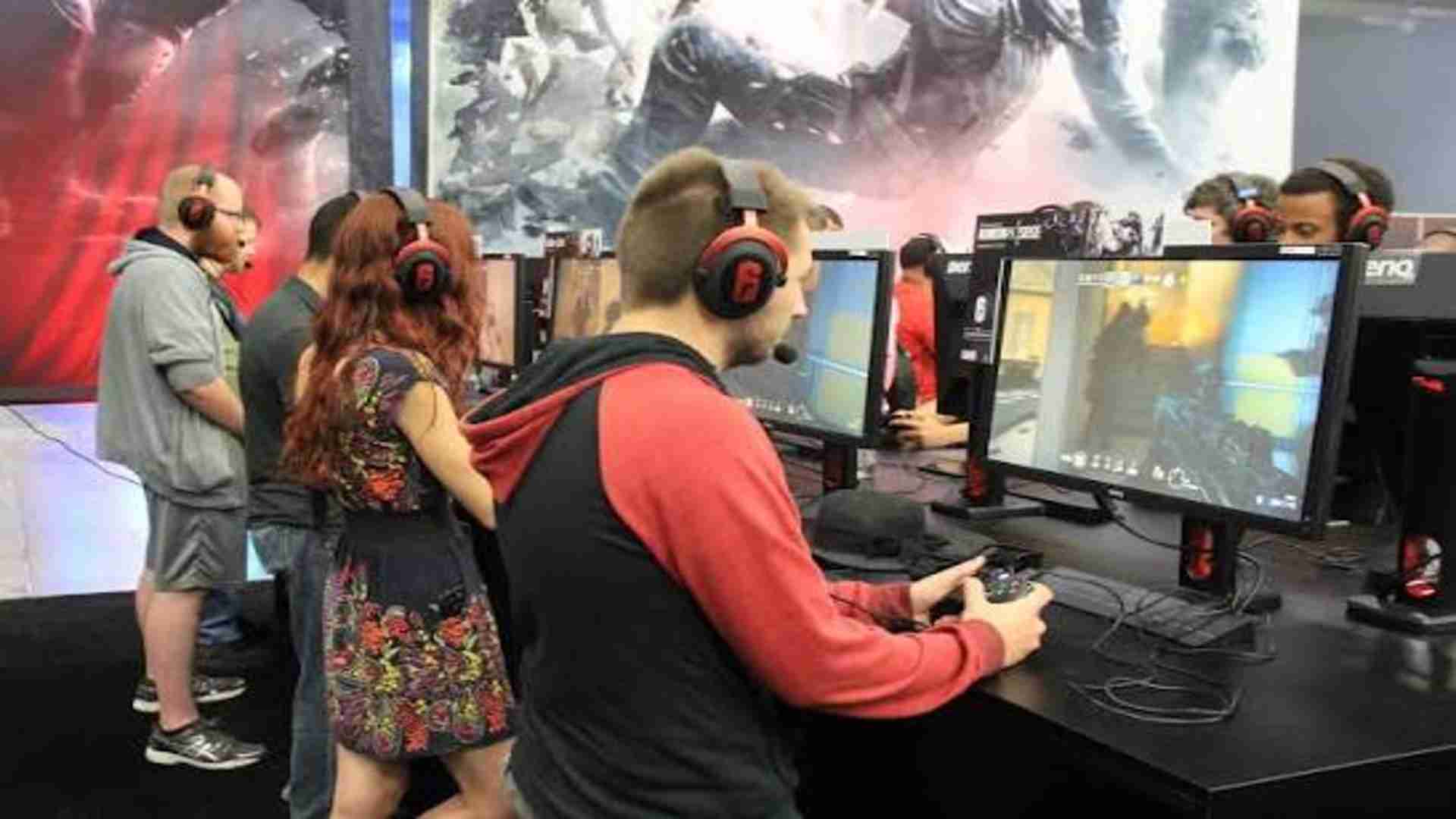
Achieving consistent success in the highly competitive battlegrounds of Free Fire requires more than individual mechanical prowess and swift trigger reflexes. While solo skills can secure occasional early eliminations, long-term mastery and frequent Booyahs depend heavily on how well a squad collaborates under pressure. By shifting the focus from individual glory to synchronized squad performance, players can conquer complex challenges and achieve significantly larger victories.
Establishing Transparent Communication Channels
Clear and precise communication serves as the true backbone of any successful squad strategy during intense firefights. Sharing active callouts regarding enemy rotations and shrinking safe zones ensures that no teammate is ever caught off guard by an unexpected ambush. This continuous flow of real-time battlefield data enables the entire group to make unified choices instantly.
Furthermore, maintaining open dialogue prevents chaotic misunderstandings when transitioning between defensive and offensive maneuvers. Utilizing voice chat effectively allows players to coordinate their resource deployment, such as sharing health kits or tracking ammunition levels. A squad that communicates seamlessly can easily dismantle disorganized opponents who rely purely on isolated gunplay.
Defining Clear Tactical Roles and Responsibilities
Distributing specific functions among team members optimizes collective productivity and drastically reduces friction during chaotic engagements. Assigning dedicated roles, such as an aggressive rusher, a long-range sniper, and a defensive support player, ensures every situation is handled efficiently. This structured alignment allows each individual to specialize in tasks that complement their natural gaming strengths.
When roles are clearly outlined, team cohesion improves because players know exactly who will initiate a push or provide suppressive cover fire. This systematic approach eliminates hesitation and maximizes spatial control over crucial high-ground areas on the map. Empowering each teammate within their designated specialty builds a balanced unit capable of surviving intense late-game circles.Building Trust to Prevent In-Game Tilt
Developing mutual trust through consistent behavior and psychological resilience is essential for maintaining squad stability during setbacks. Experiencing an early elimination or a minor positioning mistake can easily cause emotional dysregulation and compromise a player's judgment. Mutual support within the squad helps individuals remain composed and focus entirely on tactical adjustments rather than past errors.
A supportive environment empowers teammates to take calculated risks without the paralyzing fear of immediate blame from their peers. Maintaining collective emotional control ensures that the team can execute flawless counterattacks even when severely outgunned. Trust transforms a group of separate competitors into a highly resilient alliance capable of turning disadvantageous situations into triumphs.
Analyzing Combined Performance for Long Term Growth
True competitive progress relies on reviewing match results collectively to isolate structural weaknesses in your overall strategy. Dedicating time to analyze squad positioning errors and resource management habits transforms random matches into a continuous learning laboratory. This cooperative evaluation path ensures steady rank promotion and refines collective muscle memory over multiple seasonal updates.
By tracking collective milestones instead of individual kill counts, the squad fosters a healthy culture centered around shared growth. Adapting to evolving weapon metas becomes significantly easier when the entire group evaluates strategic adjustments together. Embracing this collaborative growth mindset ultimately secures lasting dominance and turns every match into a stepping stone toward excellence.